

$99 – $129Price range: $99 through $129
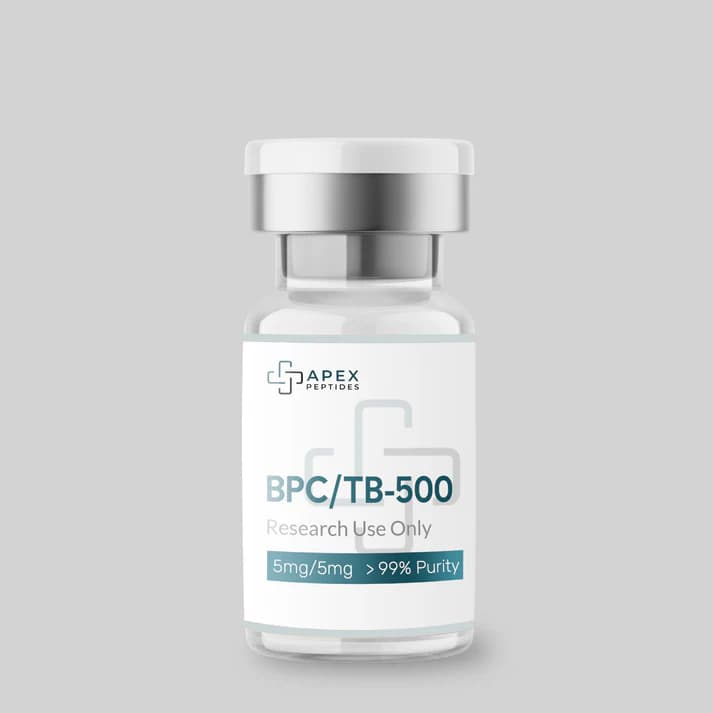
Size — 10mg/10mg
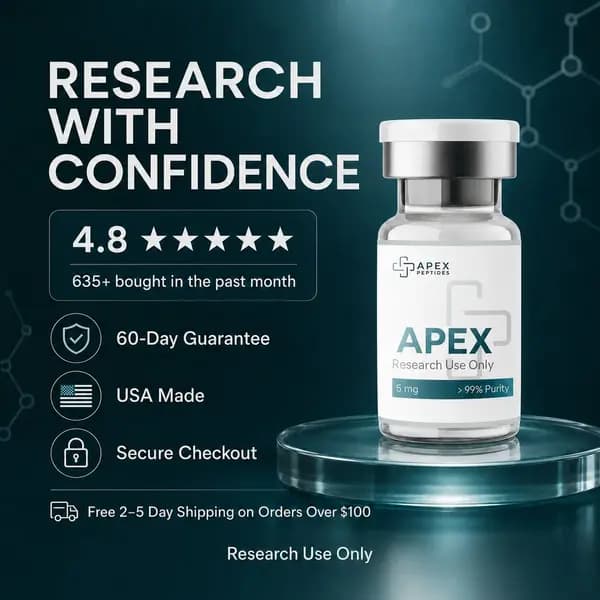
 USA Made
 60-Day Guarantee
BPC-157 + TB-500, commonly referred to as the Wolverine stack, is a synthetic peptide blend formulated for advanced research into cellular repair, tissue regeneration, and inflammatory modulation.
The blend combines two well-studied peptides—BPC-157, derived from a protein found in gastric juice, and TB-500, a synthetic fragment of the naturally occurring Thymosin Beta-4 (TB-4) peptide.
TB-500 is a synthetic peptide fragment designed to mimic the active region of Thymosin Beta-4, but with greater stability and shelf life, making it more practical for research storage and use. TB-500 promotes cell migration, blood vessel formation, and muscle fiber regeneration—key mechanisms in studies focused on soft tissue injury and cardiac repair.
Thymosin Beta-4 (TB-4) is a naturally occurring peptide in the human body, composed of 43 amino acids. It plays roles in cell migration, inflammation regulation, wound healing, and angiogenesis. However, full-length TB-4 is biologically fragile, expensive to synthesize, and has poor shelf stability, making it less practical for research or commercial use.
TB-500, by contrast, is a synthetic peptide fragment that mimics the key active region of Thymosin Beta-4—specifically the portion responsible for its regenerative and wound-healing effects.
| Summary: While TB-500 and TB-4 share similar biological targets, they are not identical. TB-500 is preferred in research for its longer half-life, resistance to degradation, and compatibility with BPC-157’s dosing protocols. |
TB-500 and BPC-157 are frequently combined in research due to their complementary dosing protocols. Both peptides are typically administered in similar cycle lengths and dosing frequencies, which simplifies their co-administration in experimental settings.
This makes a pre-formulated blend like Wolverine especially practical, allowing researchers to explore synergistic effects in tissue repair, inflammation modulation, and recovery without the complexity of managing separate compounds or mismatched schedules.
This compatibility is one reason the two peptides are often combined in preclinical models: they target overlapping but distinct pathways, with BPC-157 more focused on tendon, ligament, and gastrointestinal healing, and TB-500 on muscle regeneration and vascular growth.
When used together in research, the Wolverine blend provides a means of studying potential synergistic interactions on systemic recovery, inflammation control, and accelerated healing across multiple tissue types.
For research use only. Not for human or veterinary use. This compound is not intended for therapeutic or diagnostic purposes and has not been evaluated by regulatory agencies for safety or efficacy in humans.
The combination of BPC-157 and TB-500 has drawn interest in preclinical studies due to their complementary mechanisms in supporting tissue repair, cellular regeneration, and inflammation control.
Although these peptides are still under investigation and not approved for human use, research models suggest several potential biological roles.
BPC-157, a stable gastric pentadecapeptide, has been shown in animal studies to accelerate healing in muscle, tendon, and nerve tissue by enhancing angiogenesis and modulating growth factor expression. It may also influence fibroblast activity and extracellular matrix remodeling, contributing to structural tissue repair.
TB-500, a synthetic version of the naturally occurring Thymosin Beta-4 peptide fragment, appears to promote cell migration, differentiation, and wound healing by regulating actin polymerization and increasing vascular endothelial growth factor (VEGF) activity.
This is particularly relevant in muscle and cardiovascular research models.
Both peptides have been observed to reduce pro-inflammatory cytokine levels and oxidative stress in various tissue injury models. BPC-157, in particular, has demonstrated protective effects against NSAID-induced gastric damage and may act on nitric oxide pathways to maintain vascular homeostasis.
⚠️ Disclaimer: These findings are derived from non-human studies. No therapeutic claims are made. This product is for laboratory research purposes only.
While BPC-157 and TB-500 are still under investigation and not approved for therapeutic use, preclinical studies have explored their potential in a range of biological contexts. The Wolverine blend offers researchers a practical formulation to study multi-pathway regenerative processes.
Animal models have shown that BPC-157 may support the healing of muscles, tendons, ligaments, and nerves, potentially by enhancing angiogenesis, reducing inflammation, and stimulating fibroblast activity.
A study by Chang et al. (2011) investigated the effects of BPC-157 on tendon healing in rats. The researchers found that BPC-157 significantly accelerated the outgrowth of tendon fibroblasts from tendon explants. Additionally, BPC-157 enhanced cell survival under oxidative stress and increased the migration of tendon fibroblasts in a dose-dependent manner.
TB-500 complements these findings with data suggesting effects on myogenesis, muscle fiber regeneration, and wound repair, particularly through its role in actin regulation and vascular endothelial growth factor (VEGF) expression.
Both peptides have demonstrated anti-inflammatory activity in rodent models. BPC-157 has been observed to downregulate pro-inflammatory cytokines and protect against NSAID-induced tissue damage, while TB-500 may modulate macrophage activity and support immune cell migration.
A study by Ilic et al. (2011) examined the effects of BPC-157 on rats subjected to diclofenac-induced toxicity, which typically causes significant gastrointestinal, liver, and brain lesions. The administration of BPC-157 resulted in a marked reduction of these lesions, suggesting its protective role against NSAID-induced organ damage.
Similarly, TB-500 is a synthetic peptide fragment of Thymosin Beta-4 (TB-4), which has been associated with actin regulation and cell migration, which are crucial processes in immune response and tissue repair. TB-500 is designed to mimic these properties, and researchers often utilize it in studies focusing on wound healing and inflammation.
Due to overlapping properties, BPC-157 and TB-500 are frequently studied together in the context of systemic injury recovery. Research has explored their combined use in facilitating recovery following soft tissue trauma, surgery, or overuse injury, although further data is needed.
Wolverine is a research-only peptide blend combining BPC-157 and TB-500, formulated for convenience and compatibility in studies focused on tissue regeneration, inflammation modulation, and post-injury recovery.
This product is intended for laboratory research purposes only and is not approved for human or veterinary use.
| Feature | BPC-157 + TB-500 (Wolverine) | BPC-157 Alone | TB-500 Alone | Thymosin Alpha-1 (Tα1) |
| Type | Peptide blend (regenerative peptides) | Single peptide (gut protection, tissue repair) | Single peptide (actin regulation, tissue regeneration) | Single peptide (immune modulation) |
| Primary Research Targets | Tissue repair, inflammation modulation, angiogenesis | Tissue healing, anti-inflammatory, gut protection | Wound healing, cell migration, angiogenesis | Immune response, inflammation control |
| Mechanism Complexity | Combined multi-pathway effects | Focused on fibroblast and endothelial cell activity | Focused on actin cytoskeleton and cell migration | Immune system modulation and cytokine regulation |
| Research Stage | Preclinical/early clinical research | Preclinical and some clinical studies | Preclinical research | Preclinical and clinical research |
| Observed Benefits (Preclinical Research) | Enhanced soft tissue healing and recovery, anti-inflammatory effects | Accelerated healing of muscles, tendons, ligaments | Improved wound healing, cell motility | Immune enhancement, inflammation reduction |
| Dosing Frequency | Typically cyclic, 2–4 weeks | Cyclic, usually daily or twice daily | Cyclic, similar to BPC-157 dosing | Varies, often subcutaneous injection multiple times per week |
| Approval Status | Research use only | Research use only | Research use only | Research use only / Clinical trials |
| Disclaimer | For research only, not for human use | For research only, not for human use | For research only, not for human use | For research only, not approved for human use |
Most research on BPC-157, TB-500, and their combination has been conducted in preclinical animal models.
To date, studies have reported minimal adverse effects at typical research-level dosages. However, it is important to note that there is insufficient data on safety or side effects in humans, and these peptides remain strictly for laboratory research purposes only.
Researchers should exercise caution and adhere to all regulatory guidelines when handling and studying these compounds.
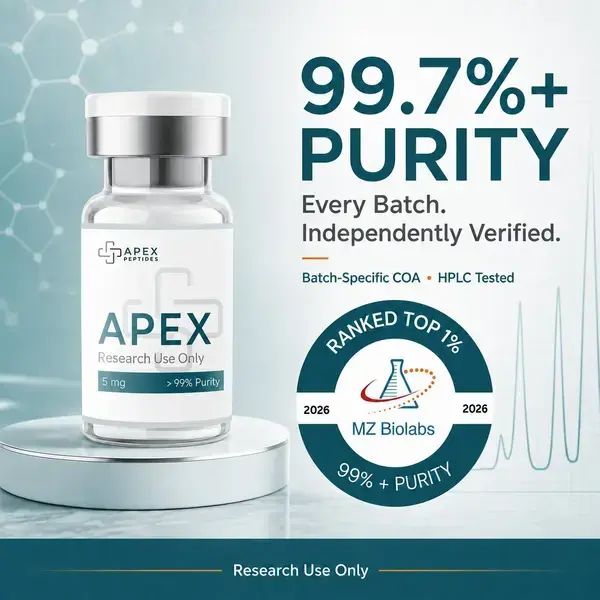
Apex Peptides ensures third-party laboratory testing is performed on all peptide products, including Wolverine, to verify purity, potency, and quality. Certificates of Analysis (COAs) are available for transparency and can be provided upon request or downloaded where applicable. We are committed to supporting reliable and reproducible research outcomes.
This product is intended for laboratory research purposes only and is not approved for human or veterinary use. It is not for resale, diagnostic, or therapeutic applications.
doi: 10.1152/japplphysiol.00945.2010. Epub 2010 Oct 28. https://pubmed.ncbi.nlm.nih.gov/10385604/
Orders placed before 12 PM EST ship the same day. Free 2–5 day delivery on all orders over $200. Expedited next-day and 2-day options are available at checkout.
Store lyophilized peptide in a cool, dry place away from direct light (stable 3–4 months unrefrigerated). After reconstitution, refrigerate at 2–8°C for up to 30 days, or freeze at −80°C for long-term storage.
Buyer Protection
60-Day Moneyback Guarantee
Shop with confidence. If you're not 100% satisfied, we'll refund every penny — no questions asked.
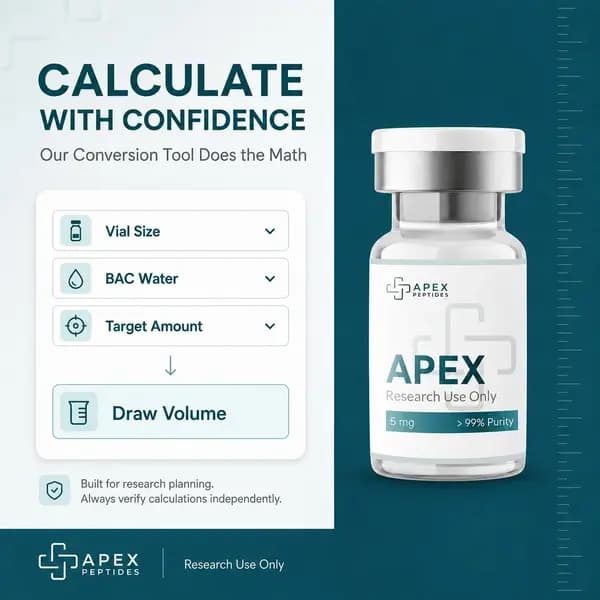
Enter your vial size, BAC water volume, and desired dose to get your draw amount.
All vials contain lyophilized (freeze-dried) powder — the mg amount indicates how much peptide powder is inside.
Scroll to see all sizes
| Size | Most Popular Mixed With | Best For |
|---|---|---|
| 10mg/10mg | 1 mL BAC water | Short-term study / trial |
| 5mg/5mg | 1 mL BAC water | Short-term study / trial |
* All peptides are supplied in lyophilized form and require reconstitution with bacteriostatic water before use. For research purposes only.
* Timelines are estimates and may vary based on dosage, frequency of use, and research protocol.
Popular Target Dosage — 10mg/10mg
Common reference doses cited across the peptide research community for this size and vial — not derived from live customer data on this site.
At 1mg per dose, 3x/week from a 5mg vial
Draw to the 20.0 unit mark on a 100 IU/mL insulin syringe
This calculator is a convenience tool for research purposes only. Always verify calculations independently before use.
Quality Standard
Purity is the percentage of your peptide that is actually the intended compound. Everything else is contamination — and contamination changes your results.
What's in the other ~3.5%?
Synthesis Byproducts
Failed or incomplete chains produced during manufacturing that mimic your peptide but behave differently in research.
Residual Solvents
Chemical solvents used in the production process that aren't fully removed during purification.
Misfolded Chains
Peptide chains that assembled in the wrong sequence or orientation — structurally different from what you ordered.
Endotoxins
Bacterial contamination introduced during handling that can trigger inflammatory responses and skew results.
Verified Test Results
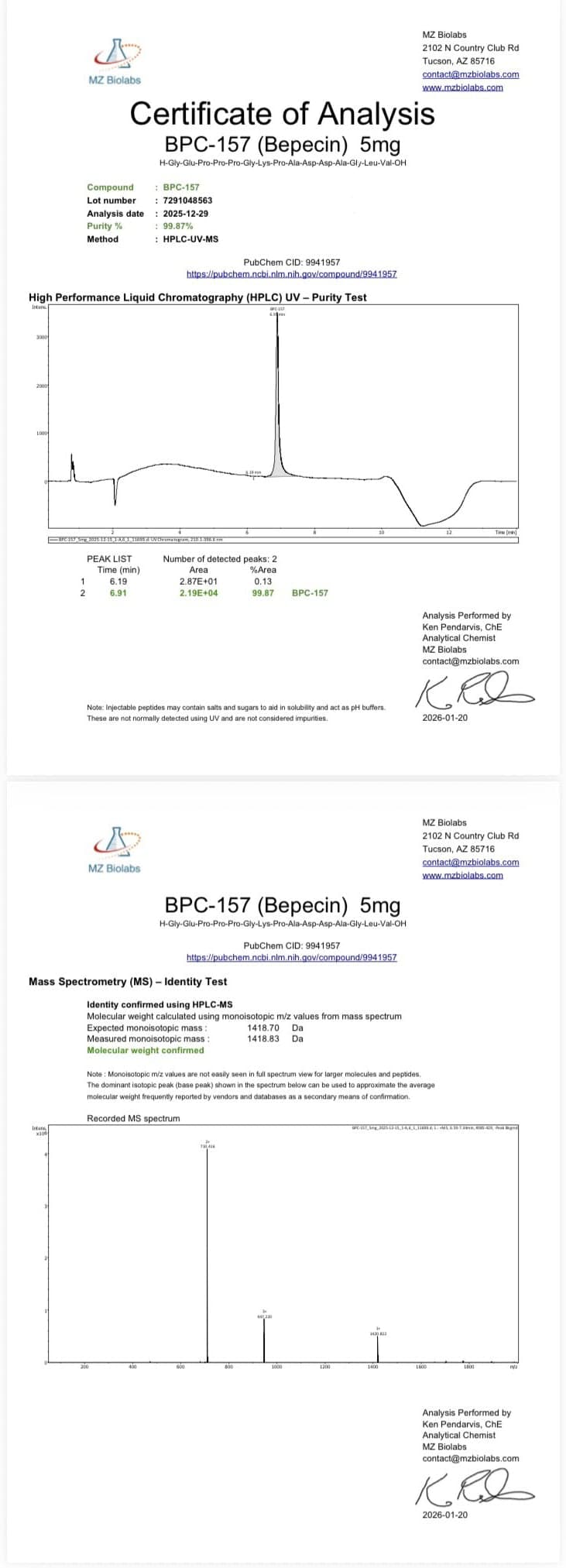
This batch was analyzed by an independent third-party laboratory. Below is the released report, transcribed directly from the signed certificate.
MZ Biolabs
Third-party laboratory report
Certificate of Analysis
Purity — HPLC-UV-MS
Lot
7291048563
Tested
2025-12-29
Full QC Panel
1 confirmed · 1 reportedPurity
HPLC-UV-MS
Identity
Mass spectrometry
Expected 1418.7 Da · Measured 1418.83 Da
Knowledge Base
Answers to the most common questions about peptides, quality, dosing, and ordering.
Everything you need for your research, delivered right to your door.
Research Peptide Vial
Lyophilized powder for maximum stability — 99%+ purity, HPLC tested.
Certificate of Analysis
Batch-specific third-party lab results included with every order.
Secure Fast Shipping
Secured foam box for fast and save delivery.
Our team is available via live chat to help you with anything — product selection, dosing, lab results, or order support.
Chat With Us →